Featured
Table of Contents
An important component of experiencing trauma is really feeling different from others, whether or not the trauma was a specific or group experience. Survivors frequently think that others will certainly not fully comprehend their experiences, and they might think that sharing their feelings, ideas, and reactions connected to the injury will drop short of assumptions.
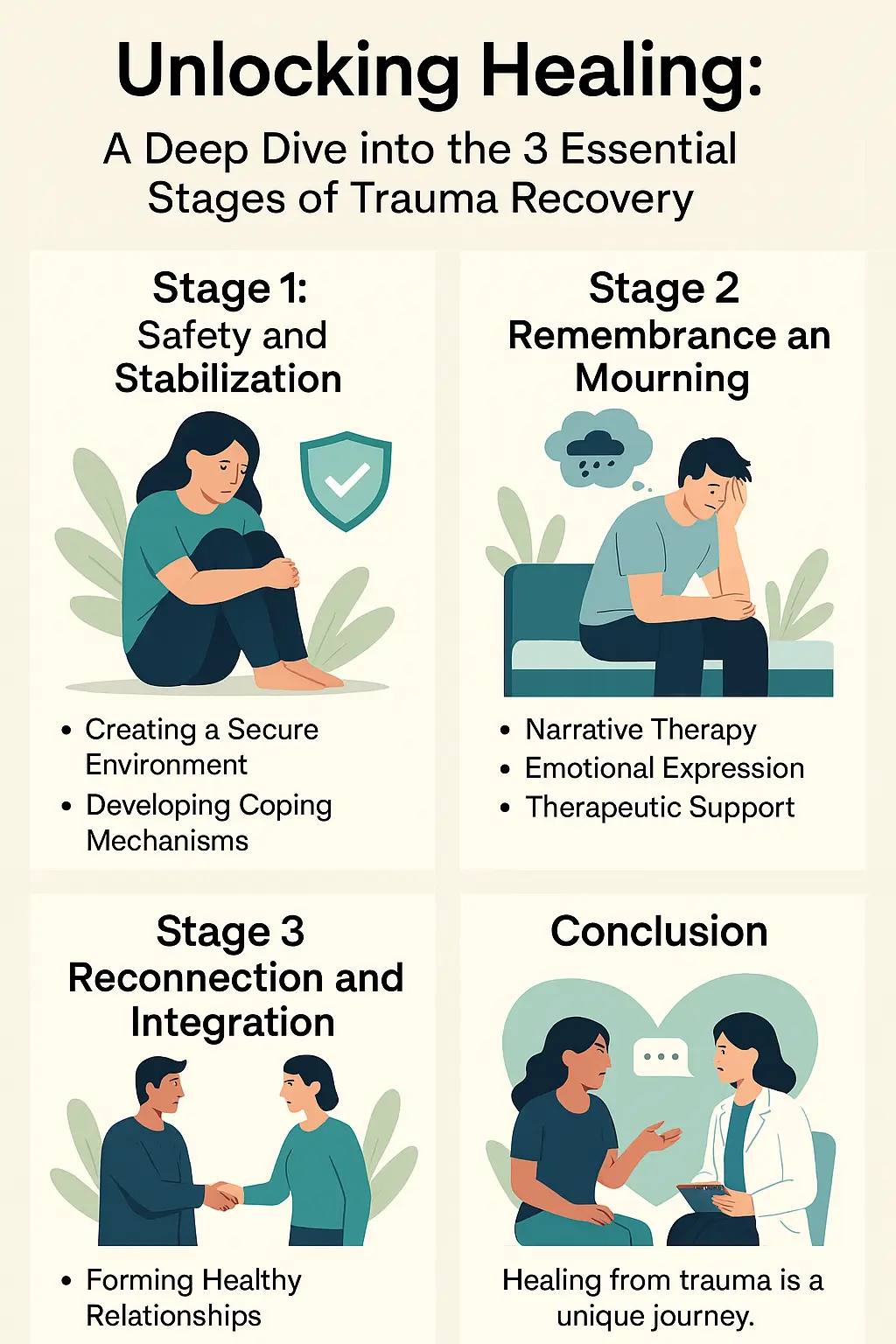
The sort of injury can dictate how a specific really feels different or believes that they are various from others. Injuries that create embarassment will certainly usually lead survivors to feel more alienated from othersbelieving that they are "damaged products." When individuals think that their experiences are one-of-a-kind and incomprehensible, they are most likely to look for assistance, if they look for support at all, only with others that have actually experienced a comparable trauma.
A recall is reexperiencing a previous traumatic experience as if it were in fact taking place in that minute. It consists of responses that commonly look like the client's reactions during the injury.
Early Traumatic Events Resolution with EMDR
Sometimes, they occur out of the blue. Other times, certain physical states raise an individual's susceptability to reexperiencing an injury, (e.g., fatigue, high stress degrees). Recalls can seem like a quick flick scene that intrudes on the customer. Listening to an automobile backfire on a hot, warm day might be sufficient to cause a professional to react as if he or she were back on army patrol.
If a client is triggered in a session or throughout some facet of therapy, assist the customer emphasis on what is happening in the right here and now; that is, utilize basing strategies., for more grounding methods).
Later, some clients require to discuss the experience and understand why the flashback or trigger took place. It typically assists for the customer to draw a link between the trigger and the terrible occasion(s). This can be a preventative approach whereby the client can anticipate that a provided scenario puts him or her at greater danger for retraumatization and calls for use of dealing strategies, including looking for assistance.
Healing Multiple Trauma via EMDR Treatment
Dissociation is a psychological procedure that severs links amongst a person's thoughts, memories, sensations, activities, and/or sense of identity. A lot of us have actually experienced dissociationlosing the capability to remember or track a certain action (e.g., getting here at job yet not remembering the last minutes of the drive). Dissociation takes place because the person is engaged in an automated activity and is not taking notice of his/her prompt setting.
This is a typical symptom in traumatic stress responses. Dissociation aids distance the experience from the individual. People that have actually experienced severe or developing injury might have learned to separate themselves from distress to endure. Sometimes, dissociation can be extremely prevalent and symptomatic of a mental illness, such as dissociative identification problem (DID; formerly referred to as split personality disorder).
For instance, in non-Western cultures, a sense of alternate beings within oneself might be taken being lived in by spirits or forefathers (Kirmayer, 1996). Other experiences linked with dissociation include depersonalizationpsychologically "leaving one's body," as if seeing oneself from a distance as a viewer or with derealization, causing a sense that what is taking location is unfamiliar or is not real.
Working With Bereavement via Eye Movement Desensitization and Reprocessing

One major long-lasting consequence of dissociation is the problem it triggers in connecting strong emotional or physical reactions with an event. Often, individuals might believe that they are going nuts because they are not in contact with the nature of their reactions. By educating clients on the durable top qualities of dissociation while additionally stressing that it stops them from dealing with or confirming the injury, individuals can begin to understand the role of dissociation.
Stressful stress responses vary widely; commonly, individuals participate in behaviors to handle the aftereffects, the strength of emotions, or the traumatic elements of the stressful experience. Some individuals minimize stress or tension via avoidant, self-medicating (e.g., alcoholic abuse), uncontrollable (e.g., eating way too much), spontaneous (e.g., high-risk actions), and/or self-injurious actions. Others might try to get control over their experiences by being hostile or subconsciously reenacting aspects of the injury.
Usually, self-harm is an attempt to deal with emotional or physical distress that appears frustrating or to handle an extensive sense of dissociation or being trapped, powerless, and "harmed" (Herman, 1997; Santa Mina & Gallop, 1998). Self-harm is linked with past youth sexual assault and various other kinds of injury as well as drug abuse.
Physical Sensations within Trauma Processing Treatment with EMDR intensives
Enhanced dedication to a personal mission. Modified concerns. Boosted charitable providing and volunteerism. Marco, a 30-year-old guy, looked for treatment at a local mental university hospital after a 2-year round of stress and anxiety signs. He was an energetic member of his church for 12 years, yet although he sought assistance from his pastor regarding a year back, he reports that he has had no contact with his pastor or his church since that time.
He describes her as his soul-mate and has had a hard time comprehending her actions or how he can have avoided them. In the initial intake, he discussed that he was the very first person to find his spouse after the self-destruction and reported feelings of betrayal, hurt, anger, and devastation because her death.

Latest Posts
Treating Social Anxiousness with EMDR Techniques for Trauma therapy
Why Happens During A Typical Therapy Session
Recognizing Important Signals for Professional Support